
The Future of National Action Plans to Prevent Violent Extremism

The Future of National Action Plans to Prevent Violent Extremism
National action plans are not easily comparable–some follow UN guidelines more than others, many incorporate existing national legislation and all intend to respond to the national context. GCERF Executive Director.NZ’s way forward, a year on from the Christchurch mosque attacks

NZ’s way forward, a year on from the Christchurch mosque attacks
GCERF Executive Director, Khalid Koser, spoke to Stuff a year on from the Christchurch mosque attacks.Tunisia
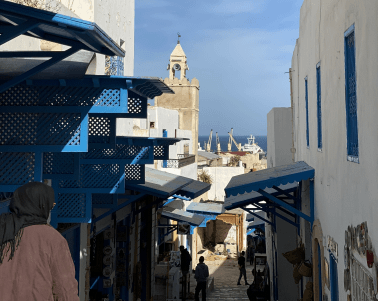
Tunisia
Despite a restructure of its security apparatus, violent extremist groups continue to operate and to threaten Tunisia’s stability with the movement of arms and terrorists from neighbouring countries.Philippines

Philippines
A lack of economic opportunity and disunity among communities in Mindanao has allowed groups like ISIS and Abu Sayyaf Group to justify attacks on military and civilian targets.Mali

Mali
Security remains fragile in the face of continued attacks by armed groups on civilians, UN peacekeepers and the Malian army.Kosovo

Kosovo
The rehabilitation and reintegration of foreign terrorist fighters is a top priority for the Government of Kosovo in the prevention of violent extremism.kenya

kenya
Al-Shabab claims responsibility for almost all terror attacks in Kenya. The porous border between Kenya and Somalia makes those living in neighbouring counties especially vulnerable to violent extremism.Bangladesh
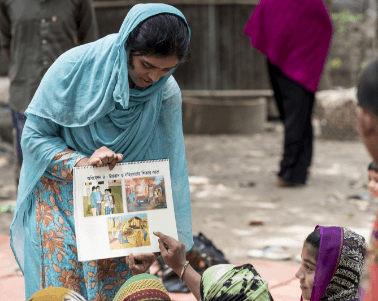
Bangladesh
Shifts in recruitment tactics continue to present a challenge with recent violent extremist attacks perpetrated by educated, urban, middle class youth.Nigeria

Nigeria
History of hostility is a structural driver of recruitment and radicalisation to violent extremism. Conflict between farmers and herders has exacerbated religious divisions and encouraged violent extremist narratives.4. Connect with partners